
Through the Door: A Church Story for St. Mary Catholic Church
Twenty-eight silent phone clips became a reverent seven-minute film, with Scripture on screen and the story told in the client’s own voice. This page shows the finished frames, and then everything behind them: the decisions, the checks, the versions, and the tools.
Client: a faith-based YouTube ministry series · Church: St. Mary Catholic Church, Goldsboro, North Carolina · Creative Director, AI Director & Video Editor: Clinton Douglas IV · Company: KSD GovCon LLC DBA Vasrue Digital Media
The finished film · Church Story #1
“The Threshold” — St. Mary Catholic Church
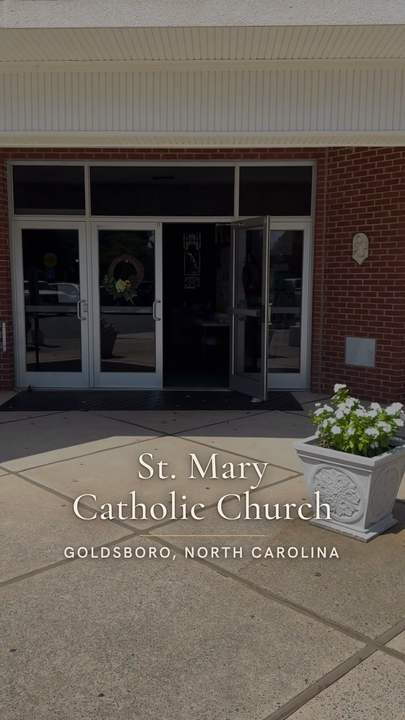
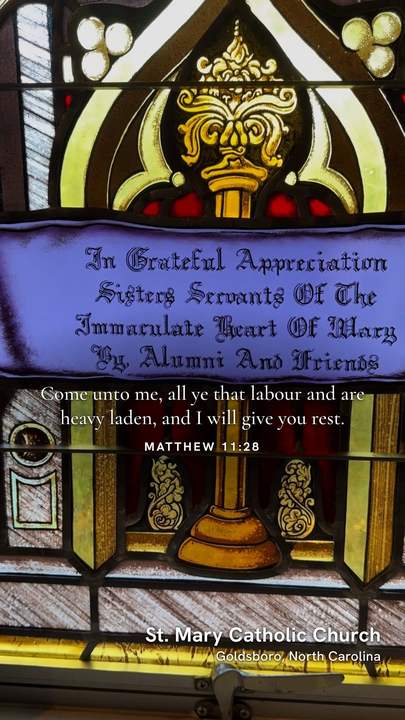
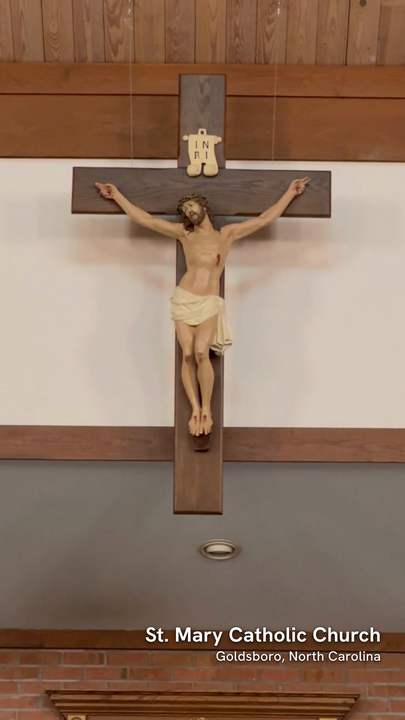
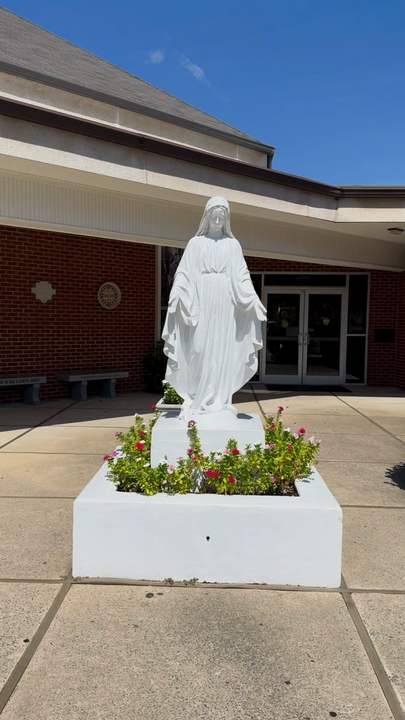
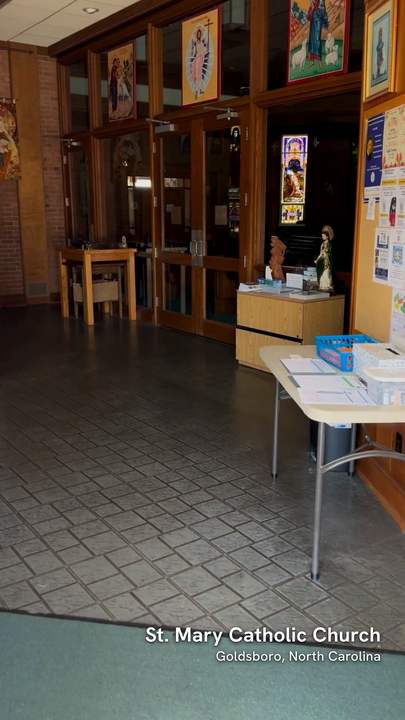
The film walks from Our Lady at the entrance, through the doors, past the stained glass and the parish memorials, to the altar and the crucifix, while the client’s narration invites anyone carrying grief, guilt or weariness to step inside. The frames on this page come from the clean final master. The film itself belongs to the client’s channel.
Project snapshot
| Client | A faith-based YouTube ministry producing a series of “Church Stories.” This was Church Story #1 of about ten. |
|---|---|
| Church | St. Mary Catholic Church, Goldsboro, North Carolina |
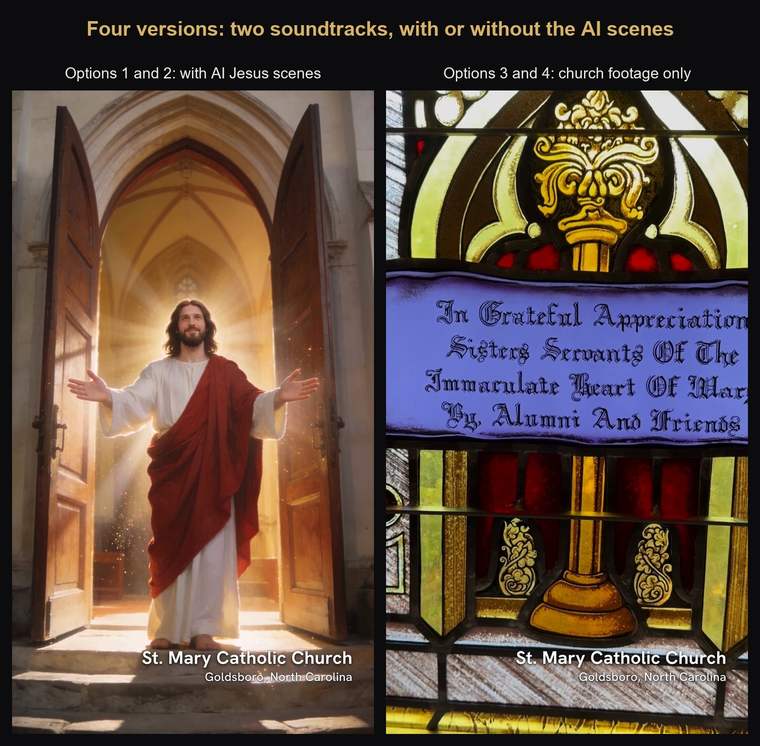
| Delivered | A 7:02 vertical film in four versions (two soundtracks, each with or without three AI scenes), YouTube-ready, with the music licenses and a plain-language guide to each file |
| Spec | 1080 × 1920, H.264, 30 fps · −14 LUFS, true peak about −1 dBTP |
| Timeline | Hired 26 Sep 2026 · picture-first cut 28 Sep · client’s voiceover arrived 7 Oct · finished draft about 30 hours later · clean masters delivered 9 Oct |
| Role | Clinton Douglas IV: creative director, AI director and editor. Story, edit, AI B-roll, sound and on-screen text. |
The brief
The client wanted reverent, warm, documentary-style Church Stories for YouTube: seven to twelve minutes each, 1080p, music properly licensed. The style note in the job post was clear:
“Not fast, flashy or filled with unnecessary effects. The church itself and its story should be the focus.”
— from the client’s job post
He gave the route in one sentence: start outside, enter through the doors to the stained glass, and end on the altar and the crucifix. And he explained the order of work: there was no narration yet. He needed to see the film before he could write it. So the picture would come first, paced to music, and he would write his voiceover to our cut.
Before the job started we flagged the risk he hadn’t named. Sacred music is a Content ID trap: a hymn can be in the public domain while a recording of it is still someone’s copyright, and one claim follows a channel. We promised to log every music cue, and we did.
The challenge
Logging the footage changed the plan. There were 28 iPhone clips, seven minutes seven seconds in all. Every clip was vertical and HDR, with no speech, no people and no photographs. At normal documentary pacing, that footage makes a four-minute film. The brief was seven to twelve.
- Too little footage for the length, and no padding allowed
- Vertical phone footage for a YouTube series
- HDR that turns stained-glass blues purple on a normal screen
- No narration yet, and a client who needed to see the cut to write it
The approach
- Picture first.We cut to the client’s own route — outside, through the doors, the stained glass, the altar and the crucifix — so he could write his narration to our cut.
- Honest length.No padding and no repeats. Every usable second of every clip, once each, in his order, held ten to twenty seconds at a time, long and still enough to feel like prayer.
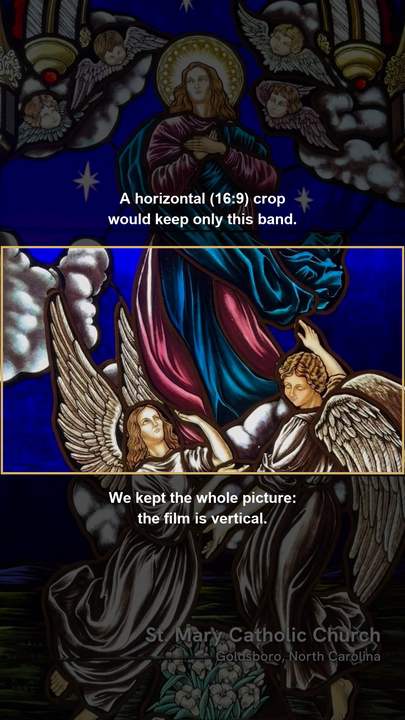
- Keep the whole picture.The footage was vertical, so the film is vertical. A 16:9 crop would have thrown most of every frame away, and pillar-boxing wastes the screen. A horizontal version can still be rendered later from the same edit.
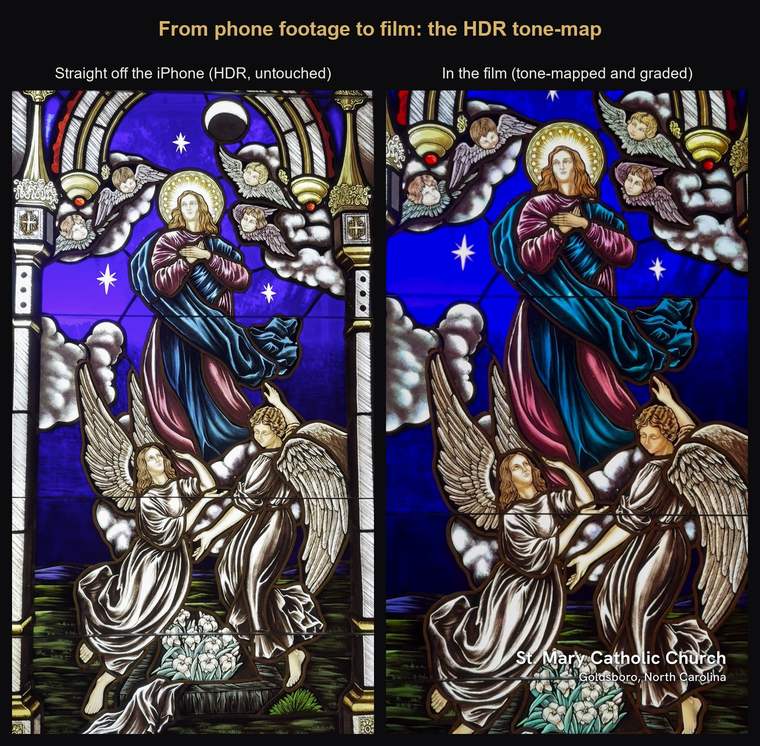
- True color from phone HDR.Every clip was tone-mapped and graded so the glass reads true on any screen.
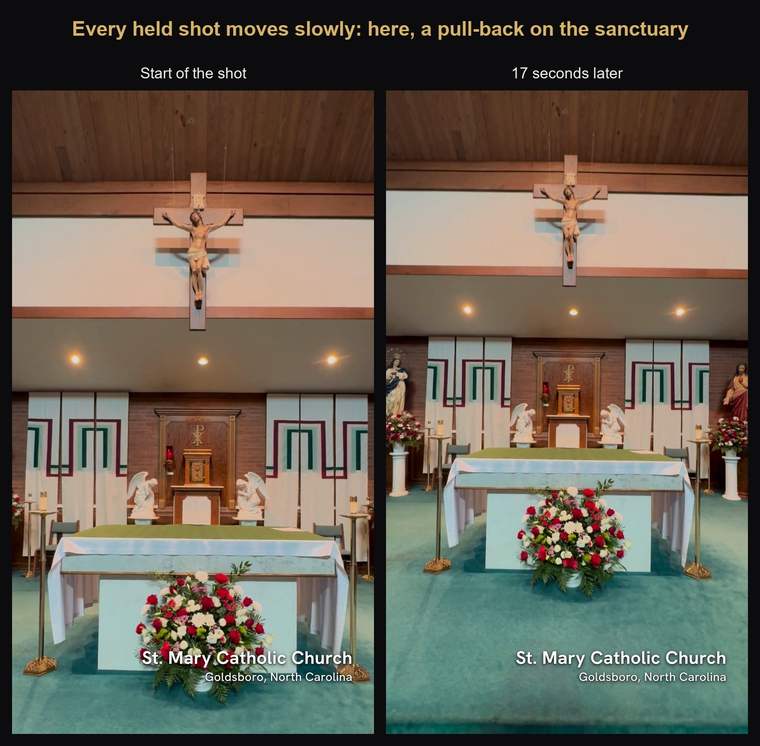
- Movement without flash.Every held shot gets a slow, eased push, pull, pan or tilt toward what matters in the frame. No effects, no animated text.
Behind the scenes: how it was made
Vasrue runs an AI-assisted production pipeline, with Clinton directing every creative call. What follows is what that looked like on this film, in the order it happened.
1. The first draft had to pass our own QC before the client saw it
It didn’t, the first time. Our measured check found a 2.4-second hole in the music, a level dip at 0:47, and section changes that didn’t show in the mix. All three were fixed and the film was re-measured until it passed. Then four more calls: the slow camera moves, all clip sound muted (a leaf crunch at the doors was pulling attention), the studio lower third, and a light “proof” mark, because a review copy should look like one. On 28 September it went to the client as a discovery cut with two questions: does this match your vision, and is anything missing from the contract?
2. When a fact was unclear, we asked instead of guessing
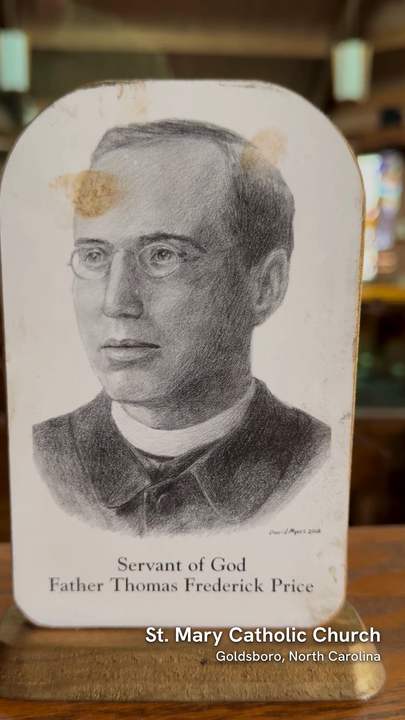
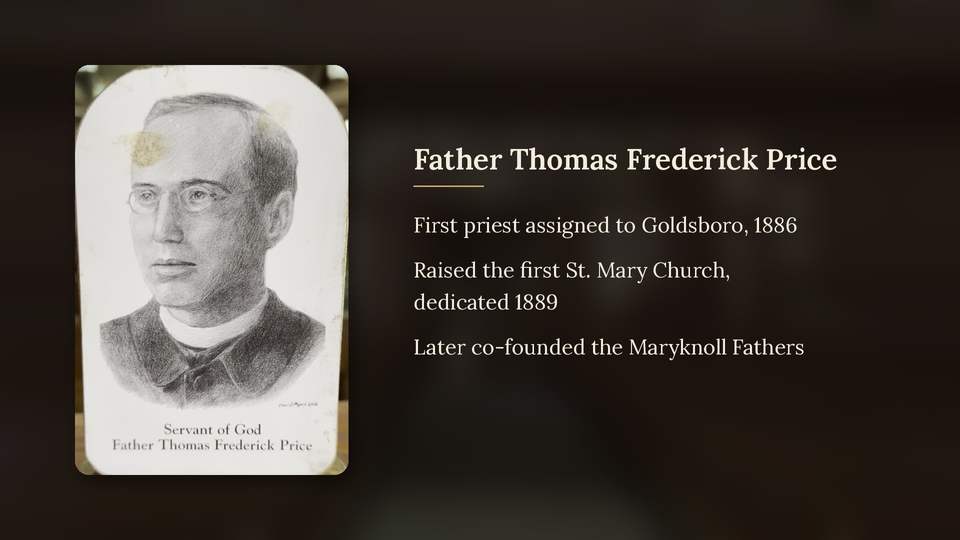
The client sent the parish history and mentioned one priest. The only portrait in his footage, though, is a drawing captioned “Servant of God, Father Thomas Frederick Price.” Rather than guess, we laid out the facts from the parish’s own history page — Fr. Price was the first priest assigned to Goldsboro, in 1886; Msgr. Arthur Raine Freeman was the first resident pastor, in 1915 — and sent a history-card mock-up so he could see the idea before deciding. The card is held for a future Church Story rather than guessed into this one.
3. The client’s voiceover set the clock
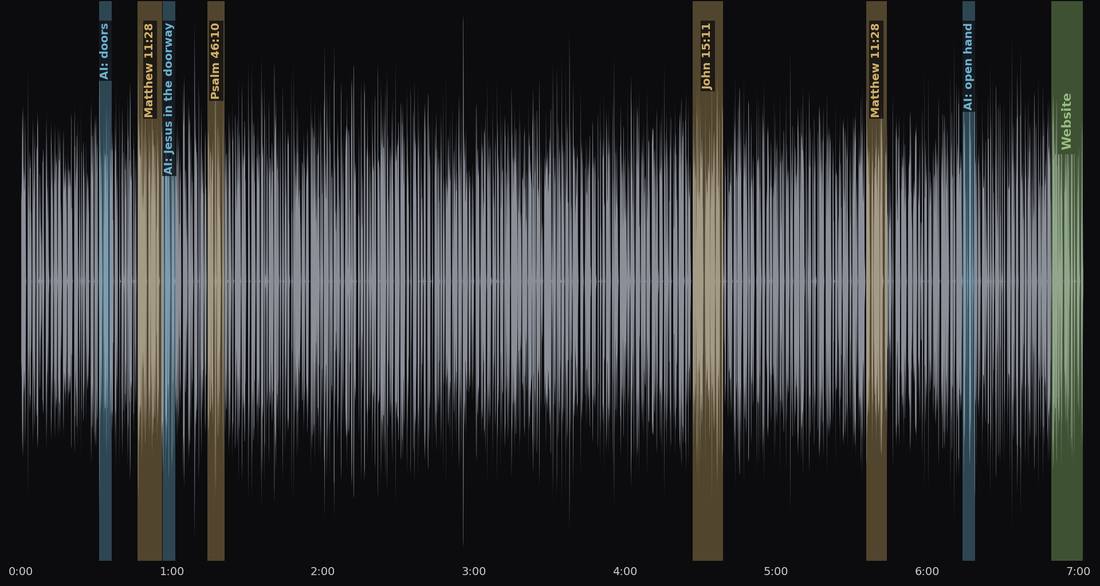
On 7 October the client sent his narration, “The Threshold”: a seven-minute devotional on stepping through the church door with whatever you carry. It landed on our cut to the second. We transcribed it with word-level timing, and everything on screen after that — every verse card, every AI scene, the website at the close — was placed where his words call for it.
4. Scripture on screen, and Scripture first
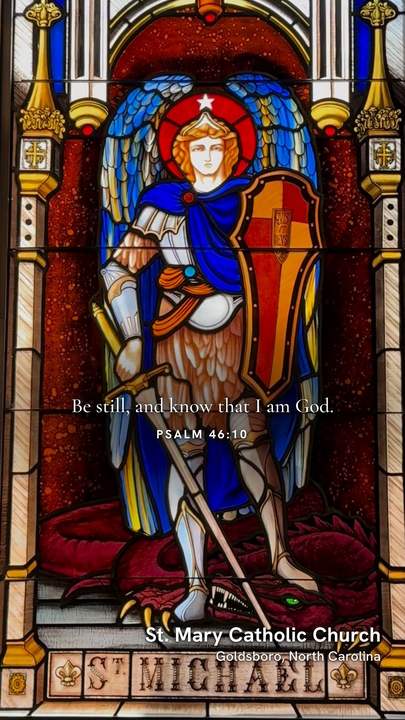
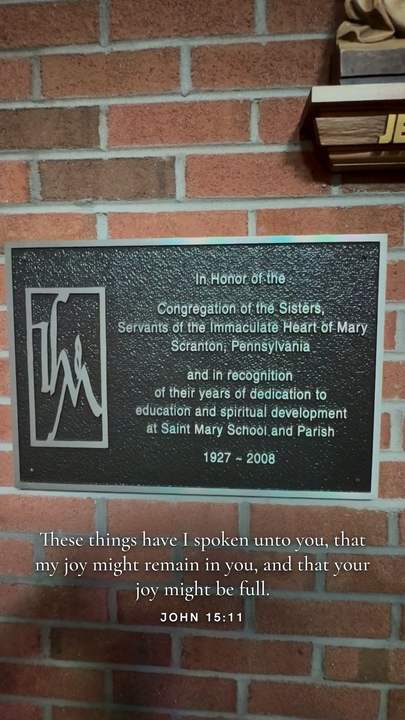
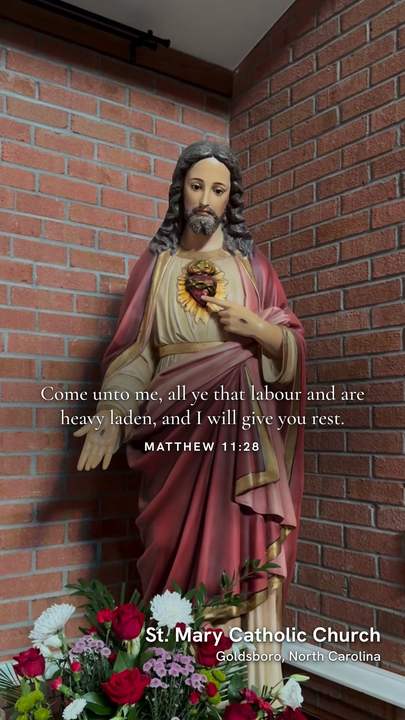
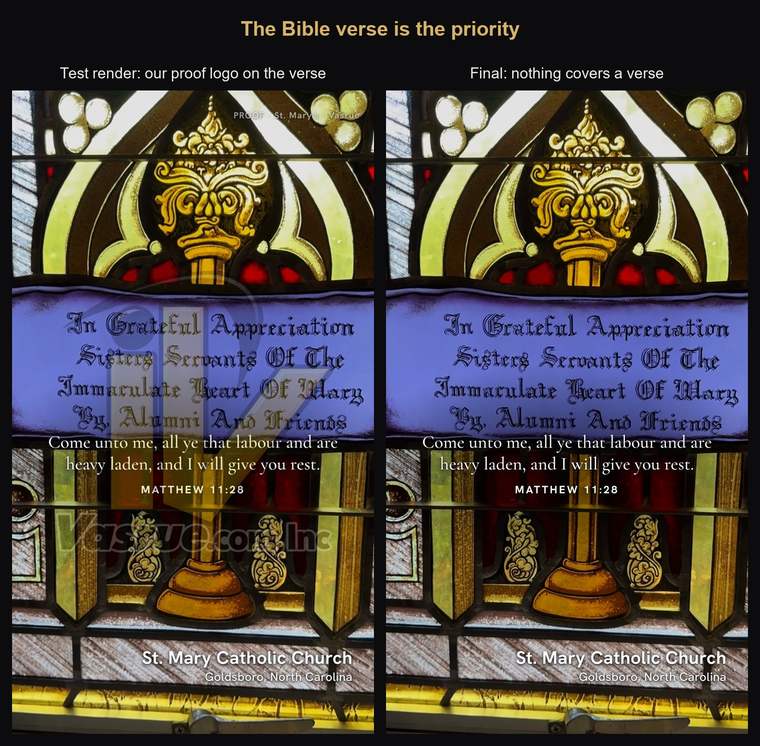
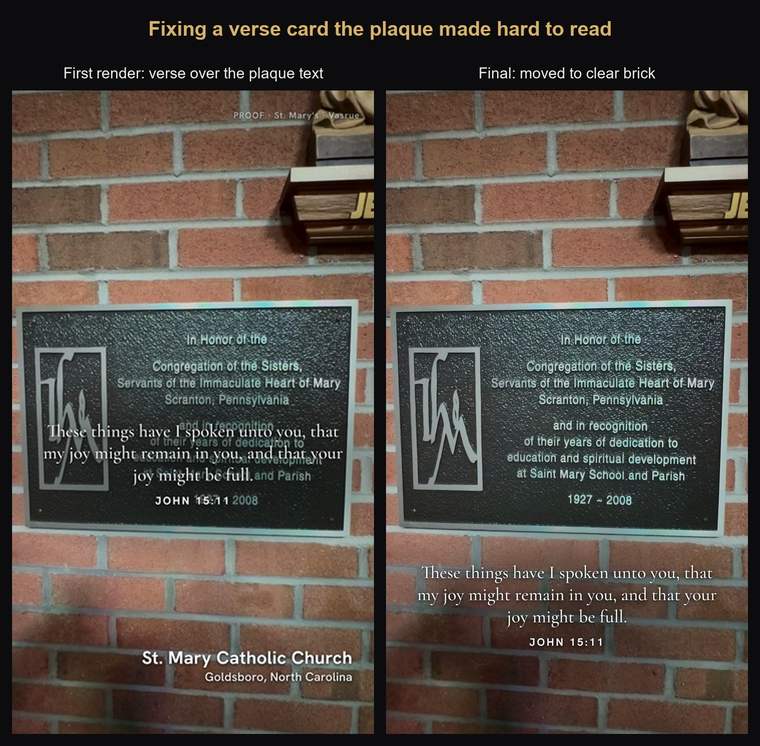
The client asked for the verses he reads to appear on screen. Four cards do: Matthew 11:28 (twice), Psalm 46:10 and John 15:11, King James Version, in white serif type with a soft shadow so they read on glass or brick. They appear exactly as he reads them. One rule came out of a test render: nothing covers a verse, not even our own logo. The proof mark and the church title step aside whenever a verse is up, and one card moved off a memorial plaque whose engraved lettering competed with it.
5. AI only where the words call for it
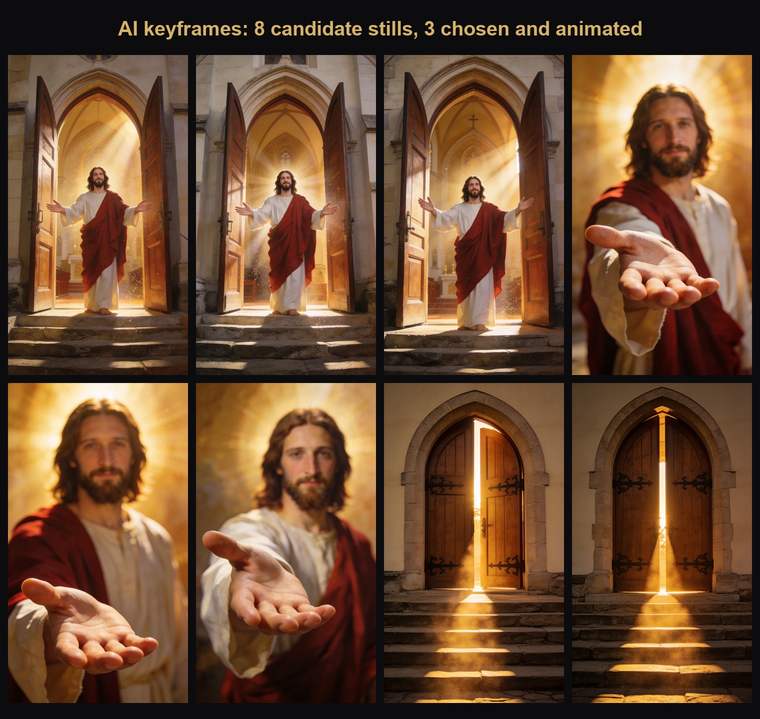
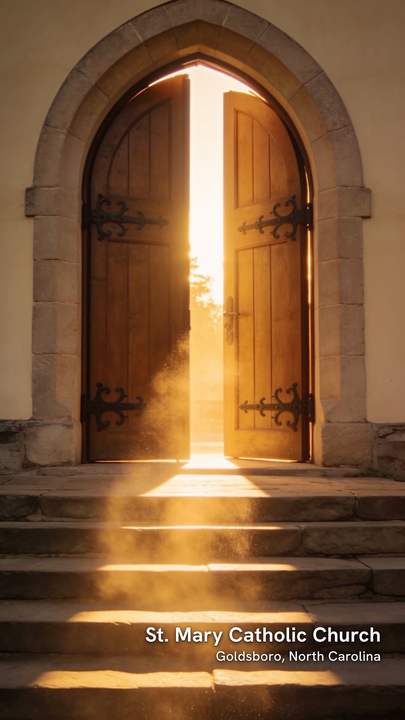
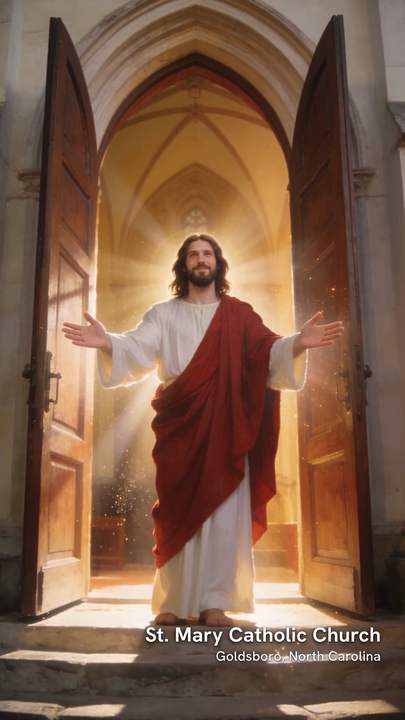
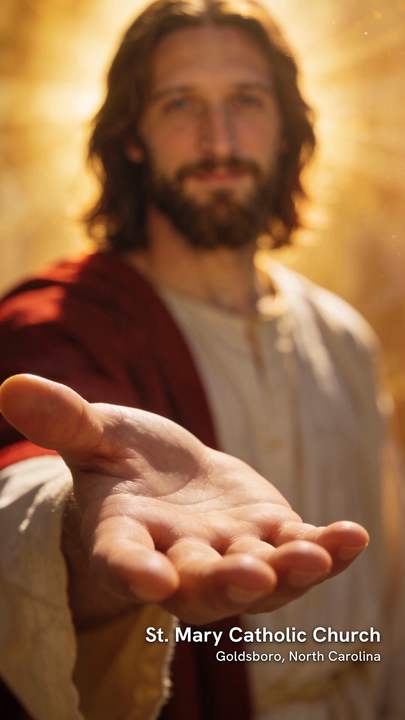
Eight AI still images were generated first. Three were chosen and animated into five-second shots, each placed on a specific line of the narration: doors opening into light at “Can I bring all of this inside?”; Jesus in an open doorway, arms wide, right after “Come unto me… and I will give you rest”; and an open hand at “If you are wounded, come.”
They are disclosed, kept short, and never passed off as the church. The real church carries the film: the second “Come unto me” stays on the parish’s own Sacred Heart statue, and the crucifix ending is untouched. Two of the four finished versions contain no AI scenes at all.
6. Music without Content ID surprises
One licensed score per version, so nothing competes with the voice: “Piano Relaxing” in one and “Calm Emotional” in the other, both by Marco Conti (VelarioMusic) on Pixabay. Each was extended seamlessly to the film’s length by a loop tool that finds musically matching points and crossfades there, with the music’s real ending on the last frame. A chant and an “Amazing Grace”-style track from the first cut were dropped, because voices fight narration. After a listen on a phone speaker, the music came up from 13 dB to 8 dB under the voice. The license certificates went to the client with the files, along with plain steps for answering a YouTube claim.
7. Choices, not guesses
Two soundtracks, each with and without the AI scenes, make four finished versions. The client picks; nothing is decided for him that he might want back.
| Option 1 | Piano Relaxing · with the three AI scenes |
|---|---|
| Option 2 | Calm Emotional · with the three AI scenes |
| Option 3 | Piano Relaxing · church footage only |
| Option 4 | Calm Emotional · church footage only |
Review copies carried a proof mark, a faint studio logo and our lower third. The delivered masters carry none of them.
Every version, and why it changed
Nothing on a Vasrue film changes without a reason. This is the full version history.
| v1 draft · 27 Sep | 28 shots in the client’s route, vertical 1080×1920, 7:02, title card front and back. A picture-first cut for him to write to. |
|---|---|
| rev 3 · 28 Sep | Music crossfades re-timed after our QC failed the first draft: a 2.4-second hole, a level dip at 0:47, section changes not audible. |
| Proof rev 4–5 · 28 Sep | Slow push, pull, pan or tilt on every shot; clip sound muted; studio lower third; proof mark. Long holds needed life, and a leaf crunch was distracting. |
| v2 · 8 Oct | The client’s voiceover laid in, music 13 dB under. |
| v3 | One soundtrack per version, extended seamlessly to 7:02; music up to 8 dB under; chant and “Amazing Grace”-style track dropped. One voice, one bed. |
| v4 | Three AI scenes added where the narration invites them. |
| v5 | Permanent church-name title, lower right; four versions (two soundtracks, with and without AI). |
| v6 | Title lowered after a phone check; the ministry’s website on screen when the narration gives it; “St. Mary” spelled as the client’s own site spells it. |
| v7 | Four Bible-verse cards; logo and title step aside for every verse; one AI scene moved to sit right after the verse it answers. |
| Final · 9 Oct | v7 with the proof text, proof logo and studio lower third removed. Four clean files. |
The tools, honestly
The tools speed up the work. They don’t make the creative calls.
- Editing and rendering: a Remotion-based editing engine that renders in the cloud on AWS Lambda
- Conform, HDR tone-map and mux: ffmpeg
- Word-level timing: Amazon Transcribe, used to place every verse card and AI scene on the narration
- AI scenes: Higgsfield — stills first, then five-second clips animated only from approved stills
- Music beds: a custom loop tool that crossfades at musically matching points
- Planning, editing automation and QC: AI assistants, directed by Clinton, who made every creative decision
The result
A finished seven-minute Church Story, ready for YouTube and the ministry’s website, delivered as four clean masters with the music licenses and a plain guide to each file. The client approved it and released the final payment the same morning he watched it.
It is also a template for the series to come: the church-name title, the verse cards, the warm piano and the website call to action.
What this project shows
- Reverent, story-first documentary editing
- Building a long film honestly from short footage
- Phone HDR to true color
- Editing picture first for a client who writes to the cut
- Timing on-screen text to a voiceover, word by word
- Faith content handled with care: Scripture first
- AI used sparingly, placed by the script, and disclosed
- Licensed music with no Content ID surprises
- Measured QC before the client sees anything
- Clear choices and clean delivery for a client new to video
Client work for a faith-based YouTube ministry, shown here with the client’s name withheld. The footage and the narration belong to the client; the frames on this page are from the delivered master. Three scenes in Options 1 and 2 are AI-generated illustrations made with Higgsfield, not footage of St. Mary Catholic Church; Options 3 and 4 contain none. Music: “Piano Relaxing” and “Calm Emotional” by Marco Conti (VelarioMusic), via Pixabay. Bible verses are quoted from the King James Version. Not affiliated with or endorsed by St. Mary Catholic Church. No view or engagement figures are claimed.
Documentary editing, client video editing, faith and ministry video, story structure, HDR tone-mapping and color grading, camera-move design, voiceover timing, on-screen text and title design, AI B-roll direction, music licensing and audio mixing, loudness mastering, cloud rendering, quality control.
How we make videos → See the documentary interview edit → See the Camino documentary → Back to the portfolio →
Have a church, ministry or place with a story to tell?
Send the footage you have, even if it’s from a phone, and where the film will live. Let’s walk through the door together.