
Six Hours of Interview. Two Short Films. One Story You Want to Finish.
A six-hour conversation became two polished documentary-style films, a mapped library of sixty-nine stories, and a repeatable content system built for creators who need high-quality video every month.
Project ID: SRS-273-0847 · Creative Director & Documentary Video Editor: Clinton Douglas IV · Company: KSD GovCon LLC DBA Vasrue Digital Media
Project snapshot
Source: The Shawn Ryan Show #95 — “CIA’s Project Stargate,” featuring Joe McMoneagle, a former Army intelligence officer and one of the original remote viewers associated with the U.S. government’s Stargate program. One long-form interview: six hours and thirteen minutes of conversation.
Delivered: two finished story films released as a two-part series — Part 1 at 7:04 and Part 2 at 6:57 — plus phone-size viewing copies, a shot-by-shot documentary map for each film, thumbnail stills, a thumbnail brief, the full as-cut scripts, and the remaining story opportunities mapped from the same interview.
The purpose was not to make shorter clips. It was to prove one capability: take hours of long-form conversation, find the strongest stories buried inside it, shape them into focused narratives, and deliver polished content ready for YouTube, social, and an ongoing release calendar.
Give us hours of conversation. We find the stories and turn them into publishable content.
The two films
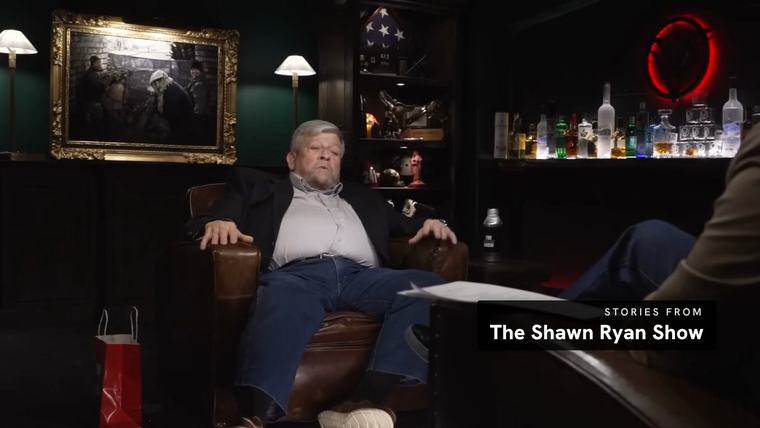
A Cold War intelligence officer takes two sips of a drink in an Austrian restaurant and wakes up somewhere else entirely. Watch Part 1, then Part 2, then go to the full six-hour conversation on The Shawn Ryan Show.
Scene One · Part 1 of 2
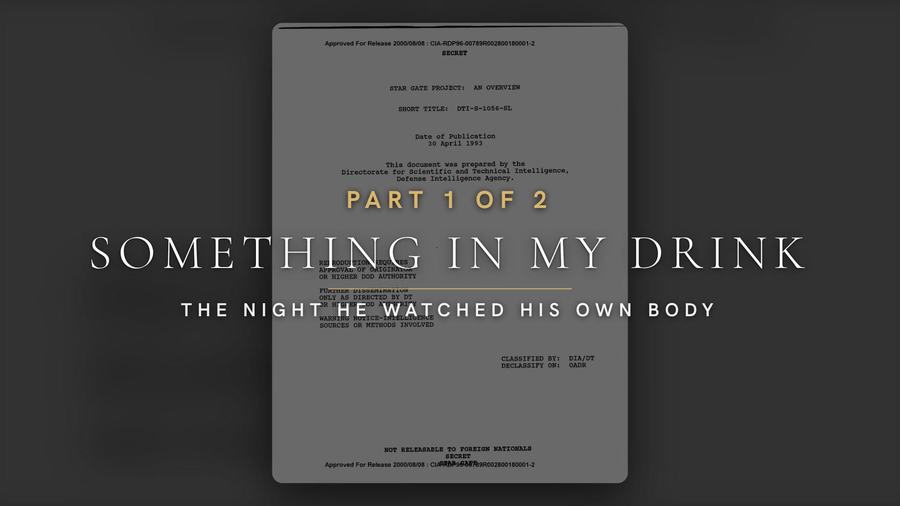
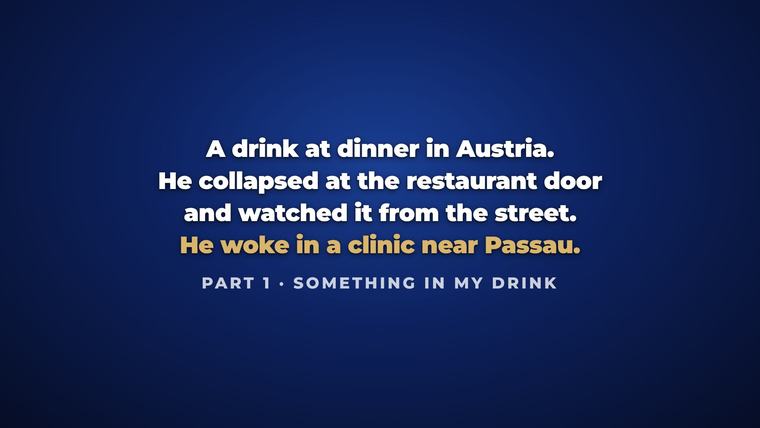
Something in My Drink: The Night He Watched His Own Body
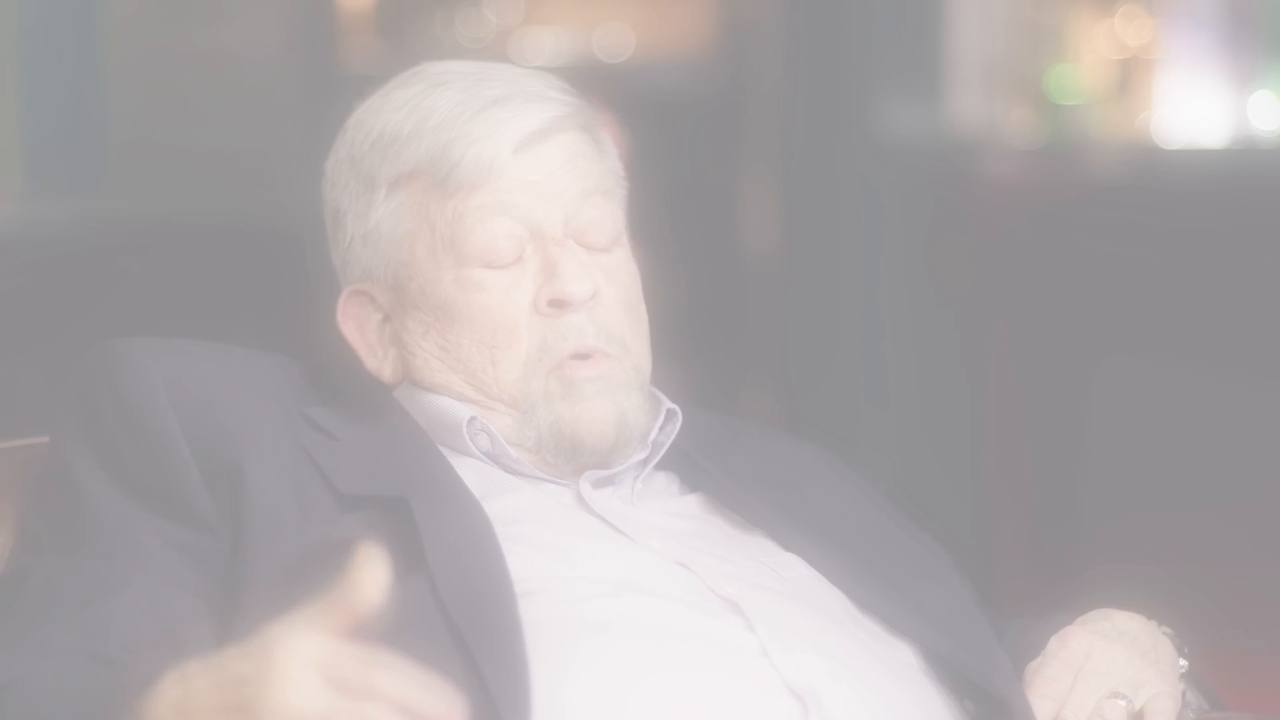
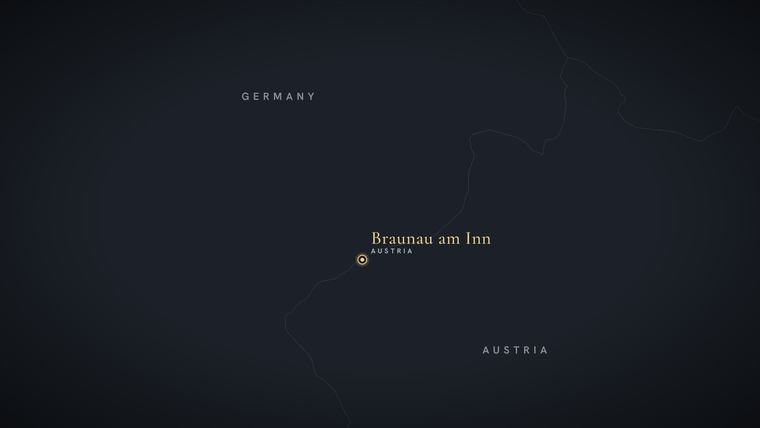
Near the end of his first tour in Germany, a young Army intelligence officer crosses the border for dinner in Braunau, Austria. He takes two sips of his drink, realizes something is wrong, and heads for the front door. The next thing he remembers is standing in the street, in the rain, looking down at his own body on the concrete. He describes a white light, and being told he cannot stay.
The edit builds toward that moment and leaves his pauses exactly where they add weight.
Scene Two · Part 2 of 2
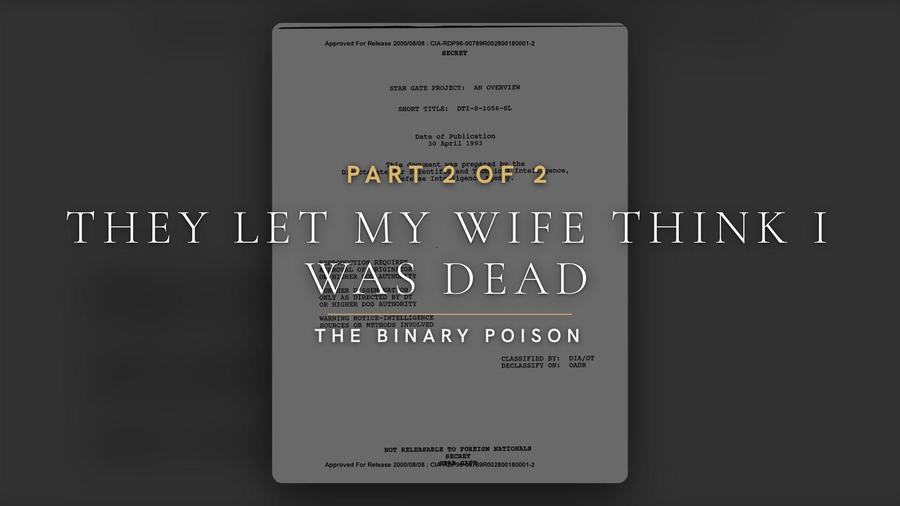
They Let My Wife Think I Was Dead: The Binary Poison
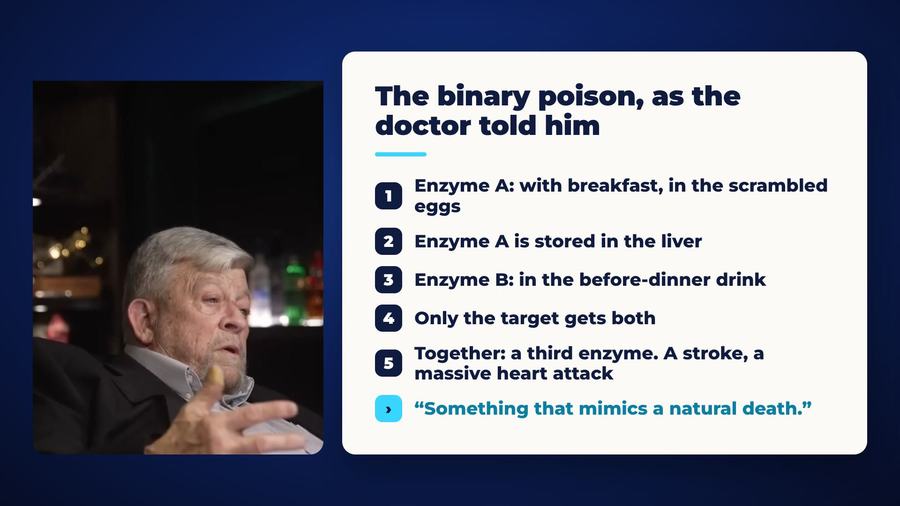
He wakes up restrained in the back of a stretch limousine with foil over the windows. Then a wing of a rest home, where psychiatrists think he is brain-damaged. His team — and his wife — were told he was dead. Finally a doctor explains what he calls a “binary poison,” delivered in two separate components.
The films present McMoneagle’s own account, in his own words. A documentary edit should make a person’s story clearer without putting words in that person’s mouth.
Both films credit the show on screen and send the viewer to the source. Watch the full original episode on The Shawn Ryan Show →
The challenge
Vasrue’s portfolio already held advertising, sports reels, motion graphics, and travel documentary work. What it did not hold was a long-form interview turned into a story — and that is the single most requested style among the clients this service is built for: YouTubers, podcasters, interview channels, real estate professionals, coaches, and subject-matter experts.
Those clients all produce people-centered content. They may record an hour. They may record two. Sometimes they record six. The problem is rarely a shortage of footage. The problem is finding what inside that footage is actually worth publishing.
So the objective was to prove that a client could hand over a long recording and get back more than a trim: listening, analysis, story identification, verification against the transcript, narrative structure, visual direction, a finished edit, and a packaged set of further content opportunities for future releases.
The editor’s job is not to make a video shorter. The editor’s job is to find the story.
Research before editing
Before the first creative cut, the entire six-hour interview was transcribed in the cloud: 50,772 timestamped words, host and guest separated, word-level timing, at roughly 98.5% average confidence. Those timestamps became part of the production system — they let every cut land between spoken words instead of slicing through dialogue.
Then came the research pass. Ten AI readers each took a thirty-seven-minute stretch of the transcript and read it against one written brief, mapping where each story starts and ends, the strongest lines, the context a viewer needs, what could be trimmed, anything sensitive, and which stories could stand alone. That produced 83 story blocks, consolidated to 69 unique stories. All 304 quoted lines were then checked by script against the transcript, word for word.
The AI accelerated the research. The creative decisions remained human.
Accuracy before style
The most important part of the process happened before the timeline was touched. Memory is useful for finding a story; it is not reliable enough to edit from.
Clinton remembered the story as a poisoning in Germany. The transcript showed the restaurant was in Braunau, Austria, while McMoneagle was stationed in Germany. A second remembered story turned out to be set in Thailand in 1972, and described a human figure rather than a creature. The research workflow corrected both details before they could become errors inside a finished film.
That is the part of the service clients never see and always benefit from. The edit is built on what the person actually said.
Planning the series
The interview was not treated as one giant file. It was treated as a content library. Every usable story received a permanent project ID, a working title, a suggested public title, exact in and out points, notes on context and visual treatment, and a likely release format.
From one interview, the research identified enough material for eleven standalone story clips plus a set of vertical reels. The poisoning was chosen as the launch, split into Part 1 and Part 2, and given a shared visual and musical language so both films read as one series.
Cut for story, not just length
The poisoning sequence spans roughly seventeen minutes of the original conversation. The goal was never an arbitrary runtime — it was to preserve the emotional progression while removing what slowed it down. Pauses over 1.4 seconds were tightened, with three deliberate exceptions: the doorway and his body on the street, the white-light sequence, and “my wife thought I was dead.” Those silences are part of the story. Removing them would have made the edit faster and the story weaker.
The documentary treatment
Once the structure was locked, the visual language was built around the narrative rather than applied on top of it.
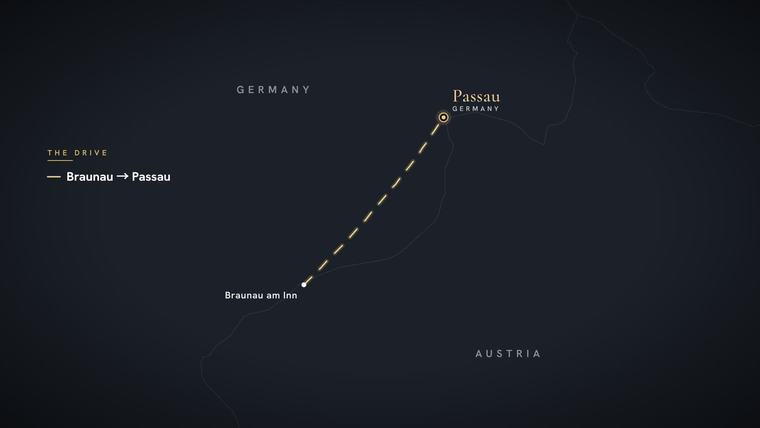
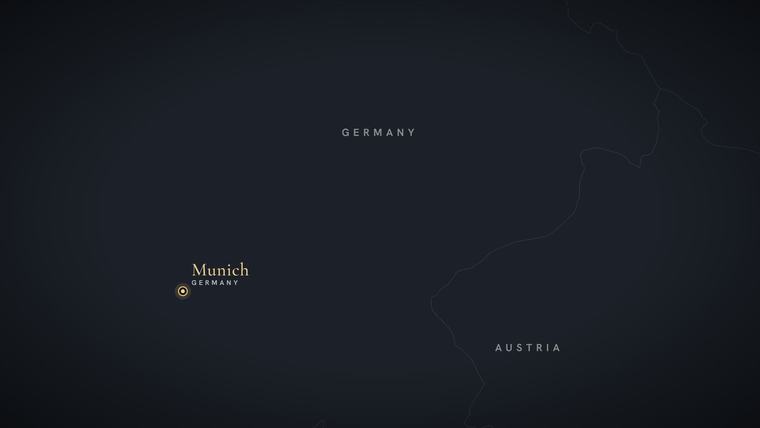
Animated maps
Maps were built from Natural Earth data for every place he names, so viewers never have to work out where they are. Reducing that cognitive load keeps the audience inside the story.
Camera punch-ins and the white light
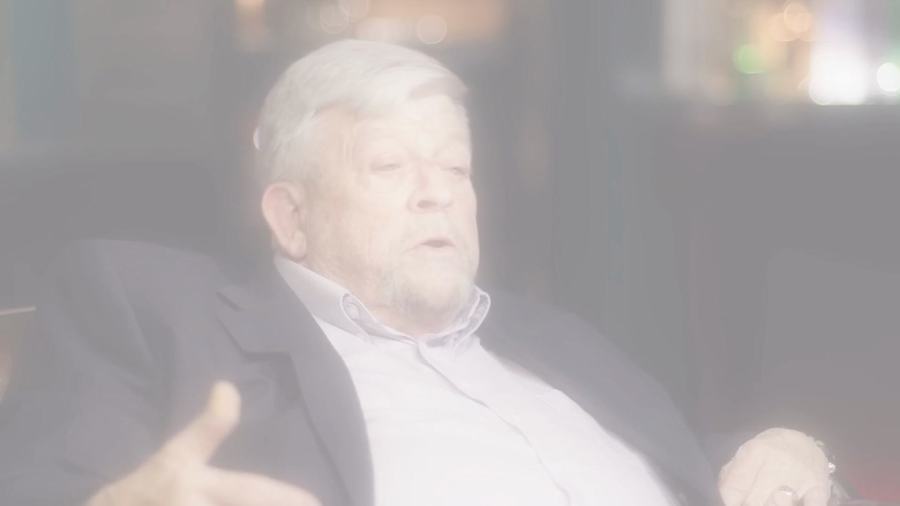
Framing alternates between wider and closer shots around every jump cut, centered on his face, so a cut reads like a second camera rather than a skipped section. For the near-death passage, a custom slow-glow treatment was built from the original footage: a filtered copy of his own shot that blooms in over about three seconds and fades back out as the story moves on.
Words on screen
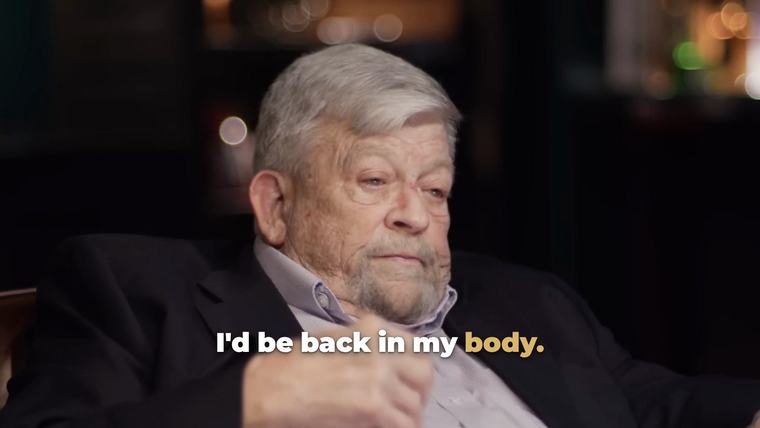
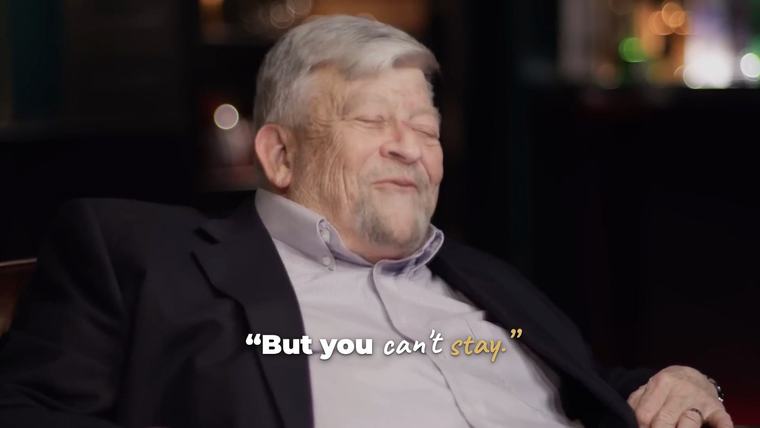
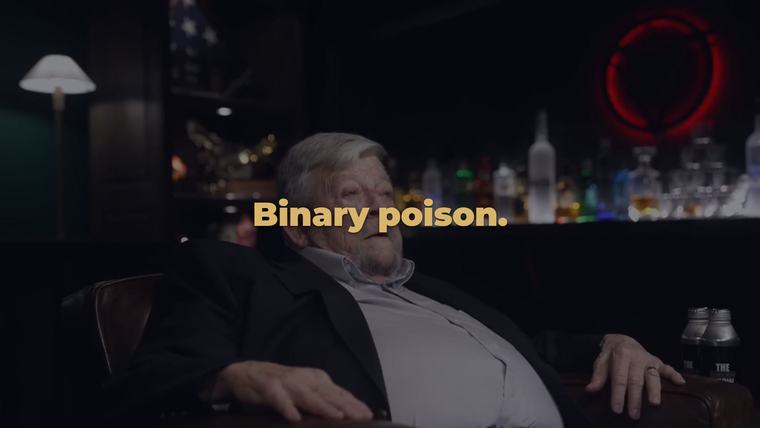
Keyword captions appear only on the lines that carry weight, rather than burying the interview under permanent subtitles.
Archive and supporting material
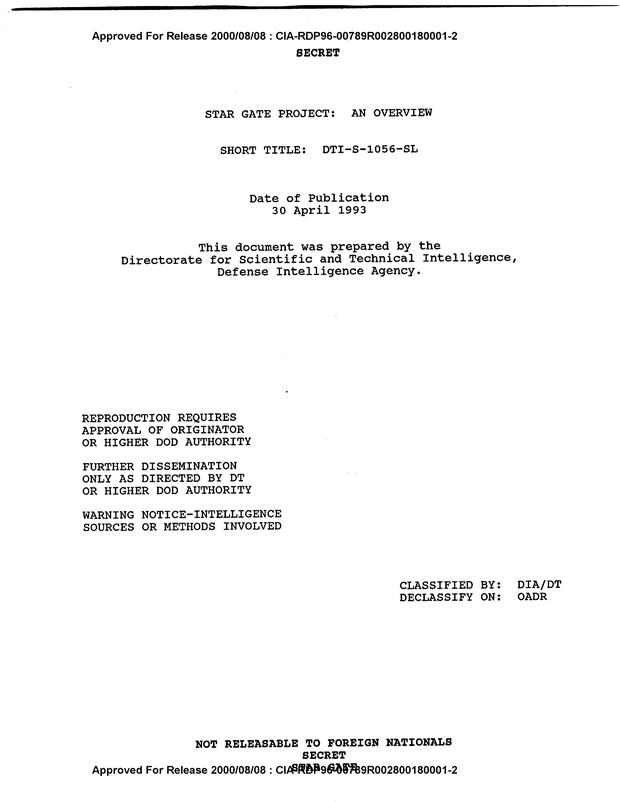
Both films open on the declassified Defense Intelligence Agency document STAR GATE PROJECT: AN OVERVIEW (1993, declassified 2000). The edit also uses a CIA reading-room screen recording and licensed stock — HUD screens, tracking imagery, a glitch transition, and archive-style B-roll.
The rule throughout: archive illustrates a sentence, then the film returns to him. Supporting material serves the account; it never replaces it.
Branding and navigation
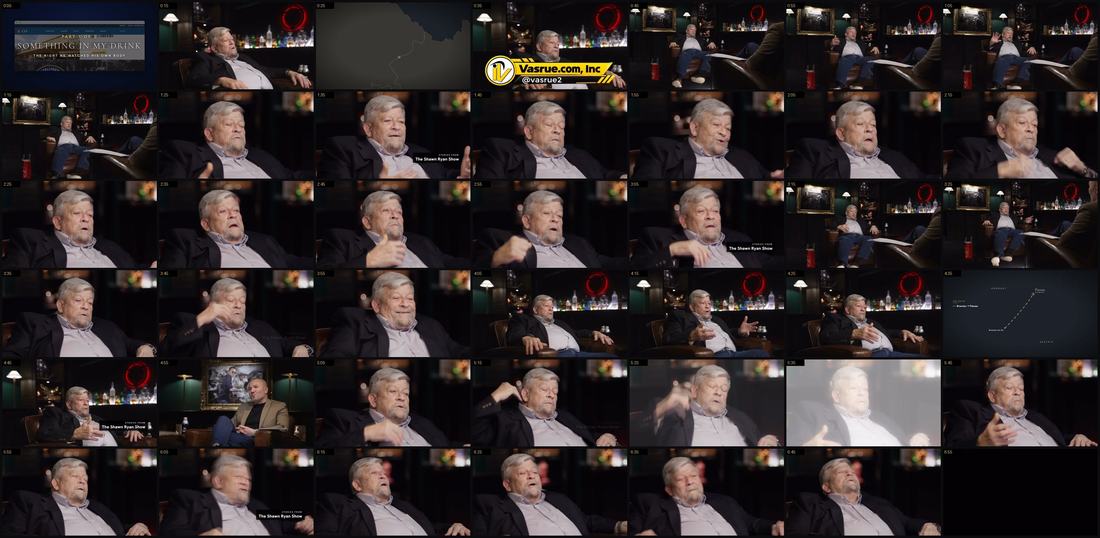
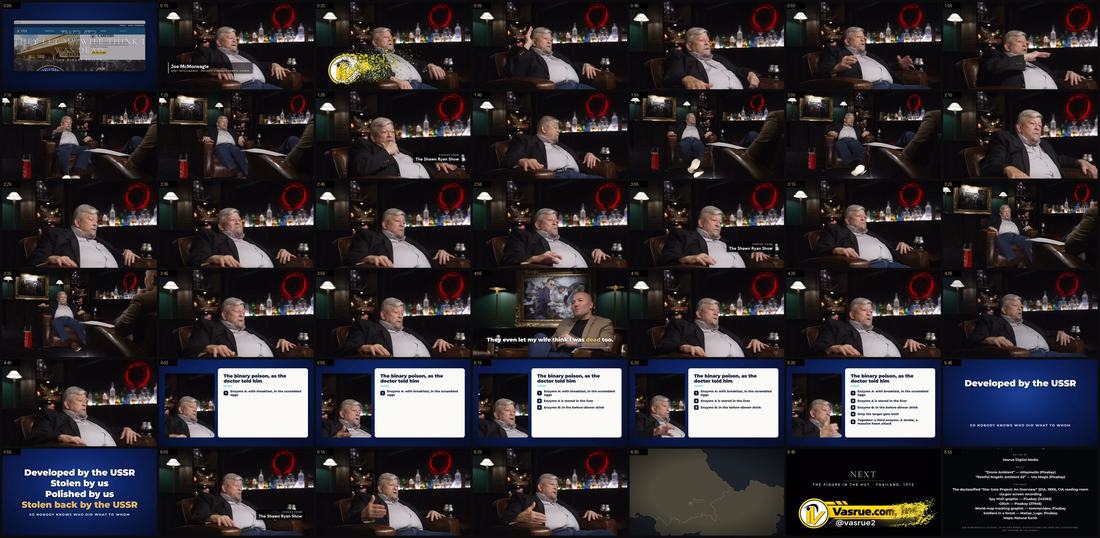
The whole film at a glance
Each film was mapped shot by shot and then sampled one frame every ten seconds — which is how a documentary map doubles as a quality-control tool.
Audio and sound design
Sound received the same attention as the picture. Two licensed Pixabay tracks carry the films: Drone Ambient by AtlasAudio for tension, and Restful Angelic Ambient 02 by Ura Megis under the white-light passage.
Music sits beneath dialogue rather than beside it. Because the transcript carries word-level timing, the ducking follows speech precisely — music drops before an important line and lifts naturally in the spaces between phrases. Dialogue was cleaned, and both films were mastered to approximately −16 LUFS, the YouTube delivery standard, with the voice always on top of the music.
AI-assisted, human-directed
This project runs on an AI-accelerated production pipeline: cloud transcription, AI-assisted transcript research, story mapping, quote-verification support, production organization, code-driven editing workflows, and cloud rendering.
What the pipeline does not do is decide what the finished story should be. Choosing the stories, deciding what stays and what goes, directing the pacing, selecting the music, approving the graphics, reviewing every cut, watching every final film, and approving delivery — those were all done by a person.
The AI makes the workflow faster. The decisions are mine.
— Clinton Douglas IV, Creative Director & Documentary Video Editor
Quality control
Both films rendered in the cloud and were checked before delivery: contact sheets covering every cut, frame-freeze scans, loudness readings, an audio review, phone-size viewing copies watched the way the audience watches, and a final creative review.
The point of that discipline is repeatability. A monthly client should not receive one strong video and nine weaker ones. The system exists so the tenth video gets the same treatment as the first.
373 minutes in. 14 minutes out. The story stayed.
6 h 13 m of long-form interview
- Full word-level transcript
- Story research across ten readers
- 69 unique stories identified
- 11 video opportunities plus vertical reels
Two finished documentary films
- Part 1 — 7:04
- Part 2 — 6:57
- Phone-size copies, doc maps, thumbnail stills and as-cut scripts
- About a 24-hour production turnaround
Results
| Raw interview | 6 h 13 m, one host, one guest |
|---|---|
| Words transcribed and time-stamped | 50,772 |
| Unique stories identified | 69, consolidated from 83 story blocks |
| Quoted lines verified against the transcript | 304 |
| Videos planned from one episode | 11 story clips + vertical reels |
| Finished films in this piece | 2 — 7:04 and 6:57 |
| Finished story from raw conversation | About 14 minutes from 373 |
| Turnaround | About 24 hours |
| Final loudness target | −16 LUFS |
| Cloud render cost | About $0.25 per film |
One recording becomes a content pipeline
The most important result goes beyond the two finished films. One six-hour conversation became a structured library of future content — which means a creator does not need to record something new every day.
One strong long-form recording can become documentary-style stories, YouTube videos, Shorts, Reels, social clips, promotional videos, website content, and a monthly release calendar. That is where this workflow earns its place for a recurring client.
Instead of asking “what should I post tomorrow?” the question becomes “what have we already recorded that deserves to become a story?”
Who this service is for
YouTubers and podcasters
Long-form shows contain great moments buried inside hours of conversation. Most creators know those moments are in there. They simply do not have time to find every one, organize them, edit them, package them, and publish them consistently. One recording can become a structured release plan.
Interview-based creators
If your content centers on people talking, storytelling is the whole job. The same process supports interviews, testimonials, expert discussions, educational content, founder stories, thought leadership, and customer stories.
Real estate professionals
The same skills work on smaller footage. Client testimonials, market updates, neighborhood discussions, listing walkthroughs, buyer and seller stories — those conversations can become short documentary-style pieces with maps, captions, music, graphics, and a clean brand finish. See also the Prescott listing reel and 7366 Point of Rocks listing film.
Monthly content clients
The real value is consistency. This workflow is designed for clients who need video every month, not once.
My role
Clinton Douglas IV — Creative Director & Documentary Video Editor. I selected the stories, directed the creative treatment, chose the music, approved the cuts, developed the visual direction, and oversaw final delivery.
The production pipeline uses AI and cloud technology to accelerate repetitive and research-heavy tasks. Story selection, pacing, judgment, tone, and final approval remain human-led.
Documentary editing, interview editing, long-form content repurposing, story development and research, transcript-driven cutting, motion graphics, animated maps, archive research, sound design and mixing, loudness mastering, cloud rendering, quality control.
See the Camino documentary → See the sports footage edit → Back to the portfolio →
Rights and credits
A self-directed portfolio project demonstrating documentary interview editing. It was not commissioned by, and is not affiliated with, The Shawn Ryan Show, Joe McMoneagle, or any associated organization, and nothing here should be read as an endorsement of KSD GovCon LLC or Vasrue Digital Media by any of them. This is a commercial media portfolio project and not government-sponsored work.
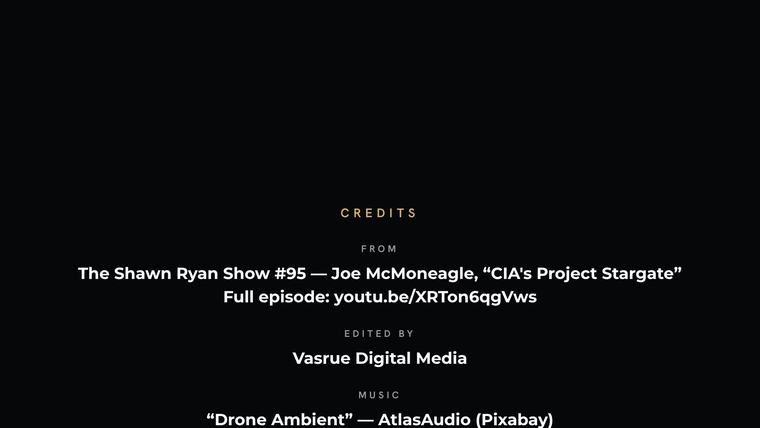
- Original content: The Shawn Ryan Show #95, “CIA’s Project Stargate,” guest Joe McMoneagle. Full original episode: youtu.be/XRTon6qgVws. All rights in the original interview footage and the underlying program belong to The Shawn Ryan Show and/or applicable rights holders. Vasrue Digital Media’s contribution is the editing, graphics, sound design, narrative structure, and post-production treatment.
- Licensing: a formal licensing request has been submitted to The Shawn Ryan Show for the use of selected excerpts in promotional portfolio content. The source credit and a link to the full episode appear on screen in both films and on this page.
- Music: “Drone Ambient” by AtlasAudio and “Restful Angelic Ambient 02” by Ura Megis, both via Pixabay.
- Maps: built from Natural Earth data.
- Archive: Defense Intelligence Agency, STAR GATE PROJECT: AN OVERVIEW, 1993, declassified 2000; CIA reading-room screen recording.
- Stock: licensed Pixabay footage — spy HUD (142363), tracking map (5361, tommyvideo), soldiers in a forest (314575, Matias_Luge).
- Company: KSD GovCon LLC DBA Vasrue Digital Media. Vasrue Digital Media is the commercial video editing and digital media brand operated by KSD GovCon LLC.
You already recorded the content. Let us find the stories.
If you produce interviews, podcasts, testimonials, market updates, or other long-form content, you may already have weeks of publishable material sitting inside footage you have recorded. Vasrue Digital Media can turn it into a repeatable content pipeline — documentary editing, interview editing, YouTube content, Shorts, Reels, and story-driven post-production.
One recording can become a month of content.